BECOMING BLONDE
On performance, perception, the strange power of being easily misread, and Hollywood’s role in teaching us to want to be blonde

There’s a very specific moment in the year when it happens. The light changes, the days stretch just enough, and suddenly everything feels adjustable. Softer, lighter, more visible. Appointments get booked, lengths get trimmed, highlights reappear. The spring blonde shift, as if after months of being more contained, more muted, there’s a collective permission to brighten again.
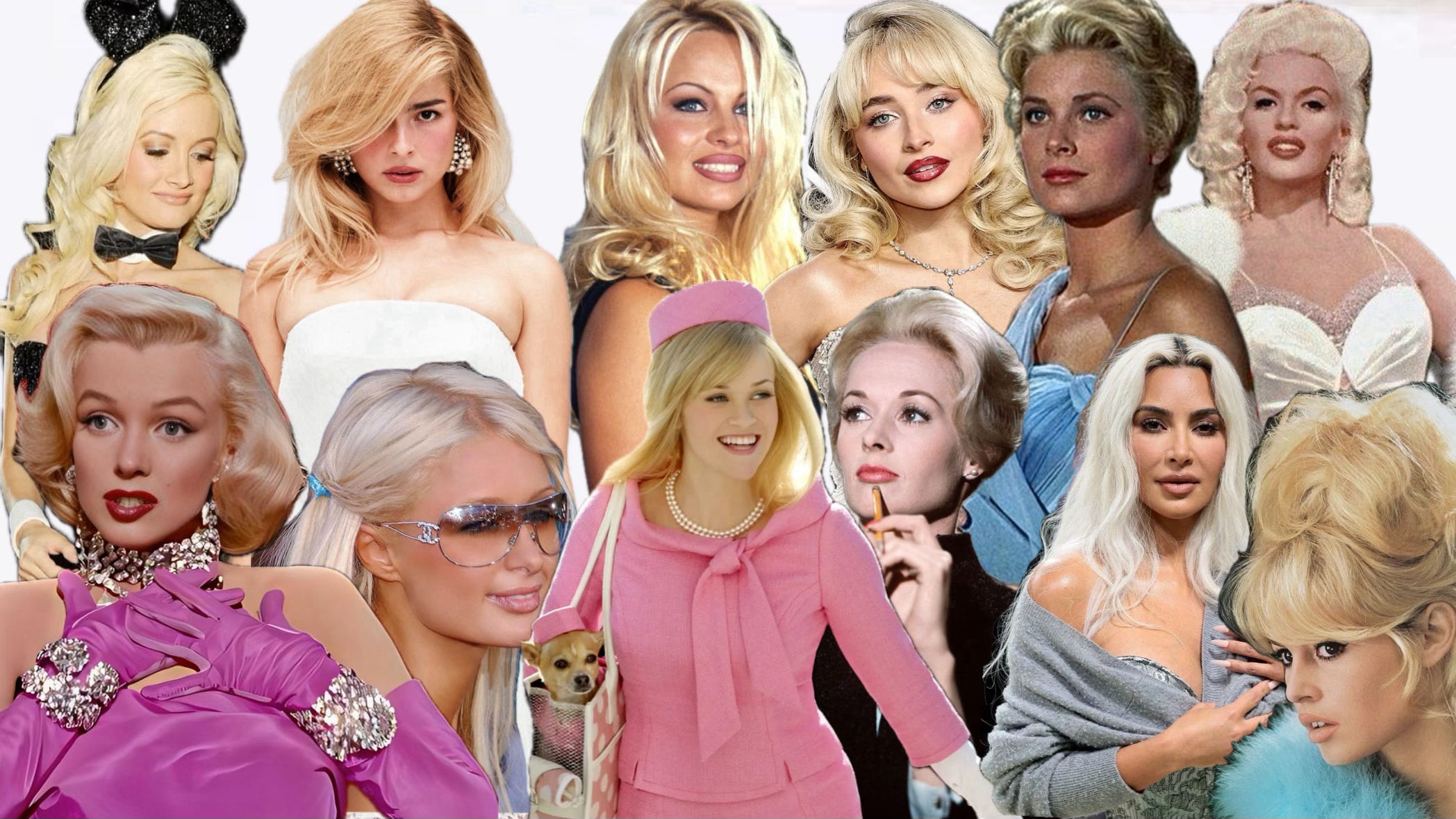
What’s strange is that last spring, I did the opposite. I went back to my natural ashy blonde, almost deliberately. It felt like a correction. I told myself it would made me look more credible, less immediately readable, less obvious. I’m deeply embedded in fashion, which already carries its own suspicions of superficiality, and being visibly blonde on top of that felt like too much, too much signal, not enough depth. I thought toning it down would rebalance things, allow something more intellectual to come through, something that wouldn’t be dismissed at first glance. I thought darker meant depth. I thought restraint would translate as seriousness. I thought people would look at me differently. They didn’t.
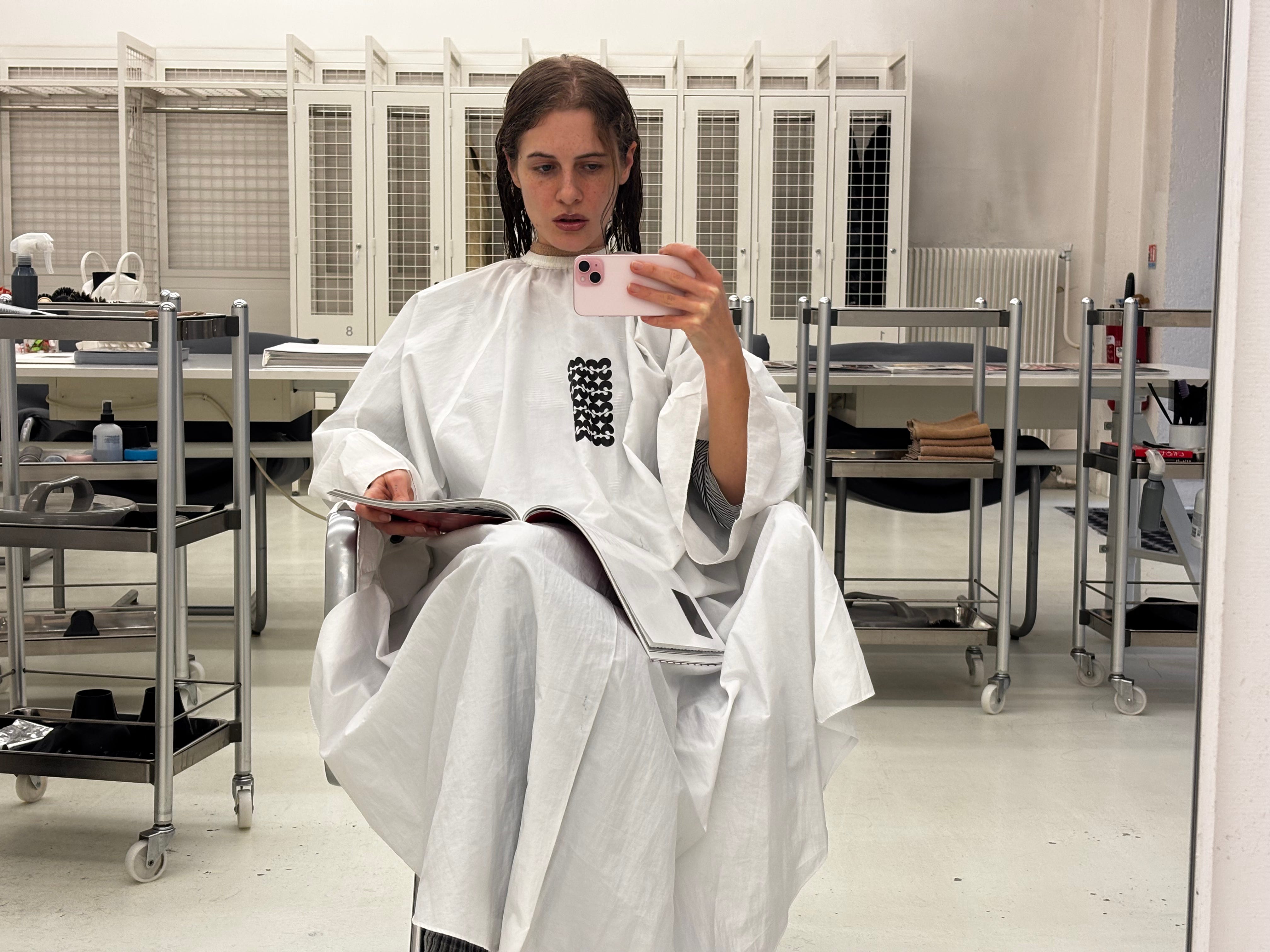
And now, a year later, I caught myself texting my hair salon, SUPERSTAR, almost instinctively, asking how blonde we could go and for how much, €380. As if returning to my natural color had only created the desire to push it further, to reach a more extreme version of it, to be the blondest I’ve ever been. The desire felt too systemic to be innocent.
BLONDE FOR DUMMIES : History lesson
The desire to be blonde is older than it looks. Long before peroxide and balayage, women were already trying to manufacture it. In Ancient Rome, where naturally blonde hair was rare, it became an object of obsession. Roman women used harsh soaps, ashes, vinegar, anything that might lift the color, and when that failed, they wore wigs made from the hair of enslaved Northern European women. Blondness wasn’t natural, it was imported, constructed, already a performance.

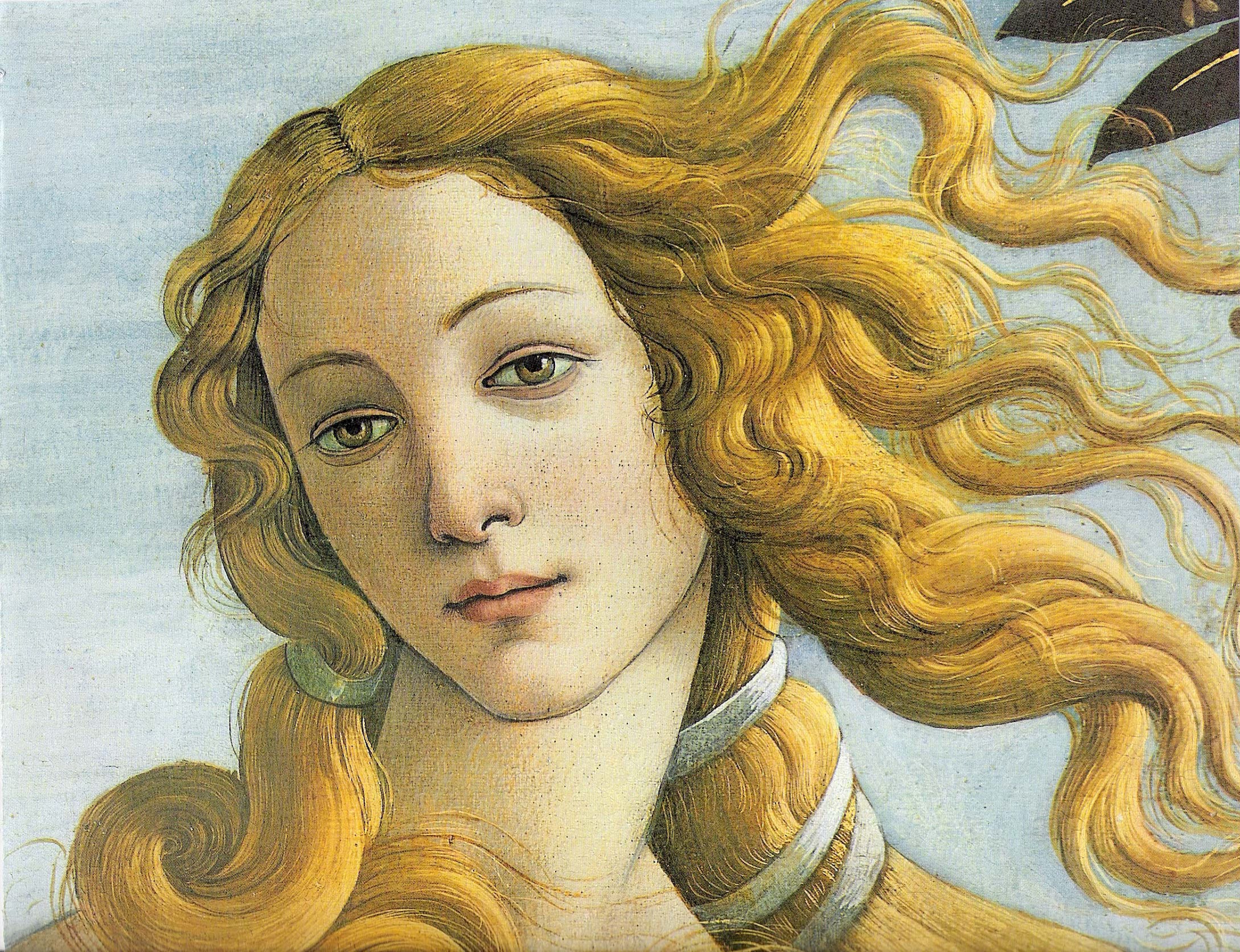
By the Renaissance, the process became almost ritualistic. Venetian women would sit for hours under the sun, their hair soaked in mixtures of lemon, saffron, sometimes even urine, carefully pulled through open hats designed to expose only the hair to the light. It was meticulous, time-consuming, completely intentional. Blonde had shifted from exotic to ideal, no longer something foreign but something divine, the color of angels, of purity, of an almost unreal femininity. In medieval and Renaissance paintings, that blondness becomes a visual code for moral purity, even when the women themselves are entirely fictional.
The birth of Venus by Sandro Botticelli (1483–85) Italian Renaissance.
At some point, the ritual becomes technique. By the 19th century, chemistry enters the process. Hydrogen peroxide begins to be used to lighten hair, unstable, often damaging, sometimes outright dangerous, but marking a decisive shift. Blondness no longer requires hours under the sun or elaborate mixtures. It can be produced, controlled, repeated. What had once been a slow transformation tied to time and environment becomes something immediate, almost mechanical. Blondness moves from ritual to method, and once it can be reliably manufactured, it becomes inevitable.
HOLLYWHO ?
Hollywood understood this instantly. Early cinema didn’t just use blondness, it refined it. Under studio lighting, blonde hair catches and reflects light in a way darker tones don’t, making faces more legible, more striking, easier to read from a distance
Jean Harlow THE first Hollywood bombshell
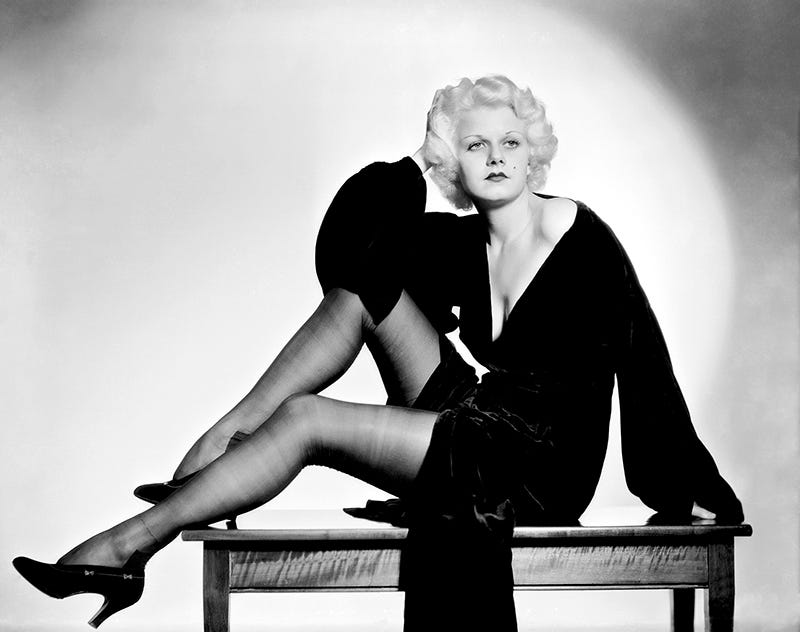
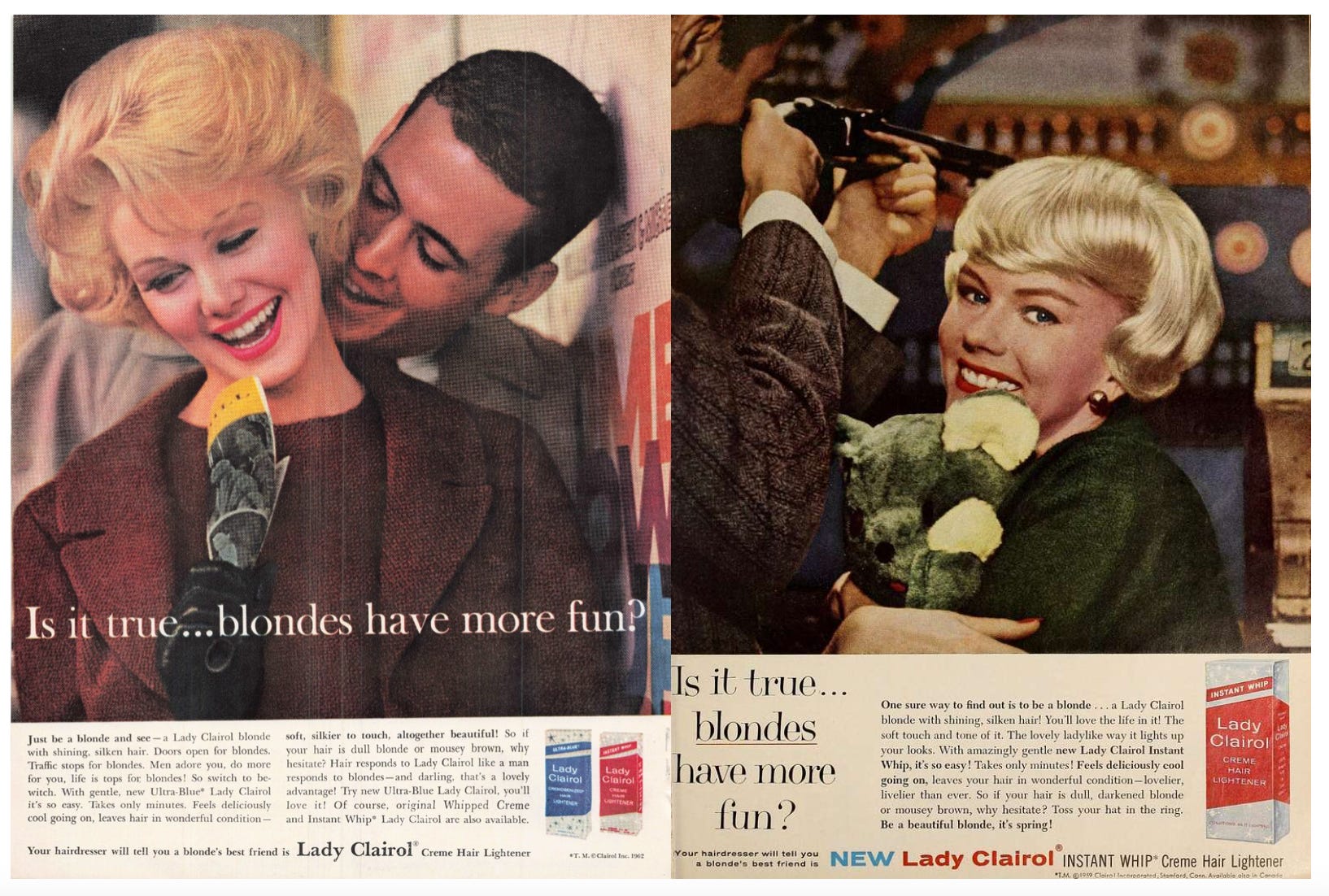
Platinum blondes in early Hollywood were often achieved using industrial bleaching agents not meant for cosmetic use, harsh enough to burn the scalp or cause hair to break off entirely, but the damage stayed off screen. What remained was the image. Actresses weren’t just cast, they were constructed. Hair lightened, image controlled, persona shaped into something instantly recognisable, reinforced by slogans like “blondes have more fun,” a line that originated in a 1960s hair dye campaign and slowly hardened into cultural belief.
No one embodies this better than Marilyn Monroe. Her blondness was not incidental, it was engineered, maintained with near-constant bleaching, a deliberate transformation that turned Norma Jeane into an image. Not just a woman, but a symbol.
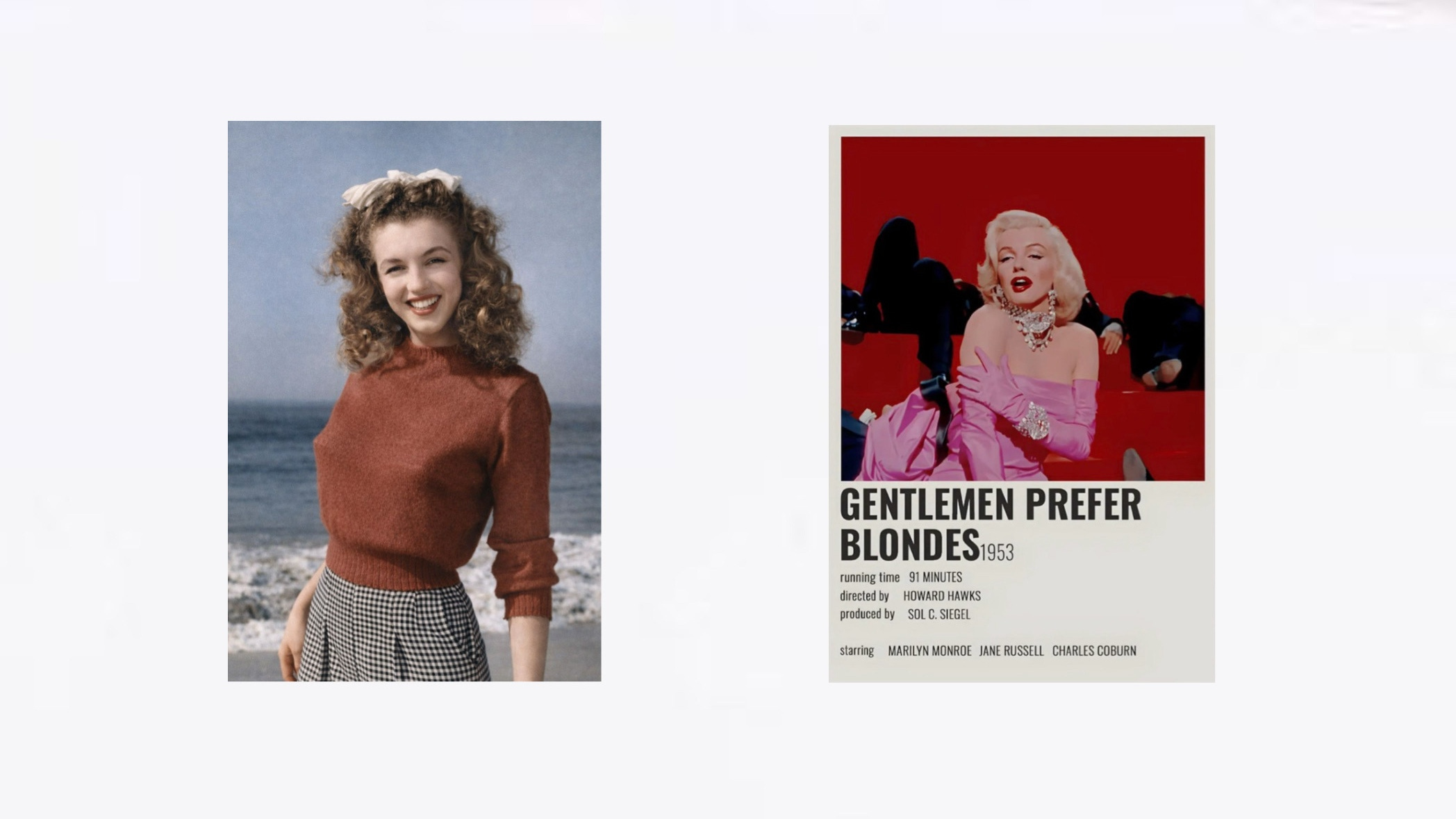
Blonde becomes brightness, softness, sexuality, but also something strangely unreal, a surface designed to be seen, consumed, remembered. And once that image exists, it doesn’t stay contained, it becomes a blueprint.
Hitchcock’s Blondes: A Director’s Ideal
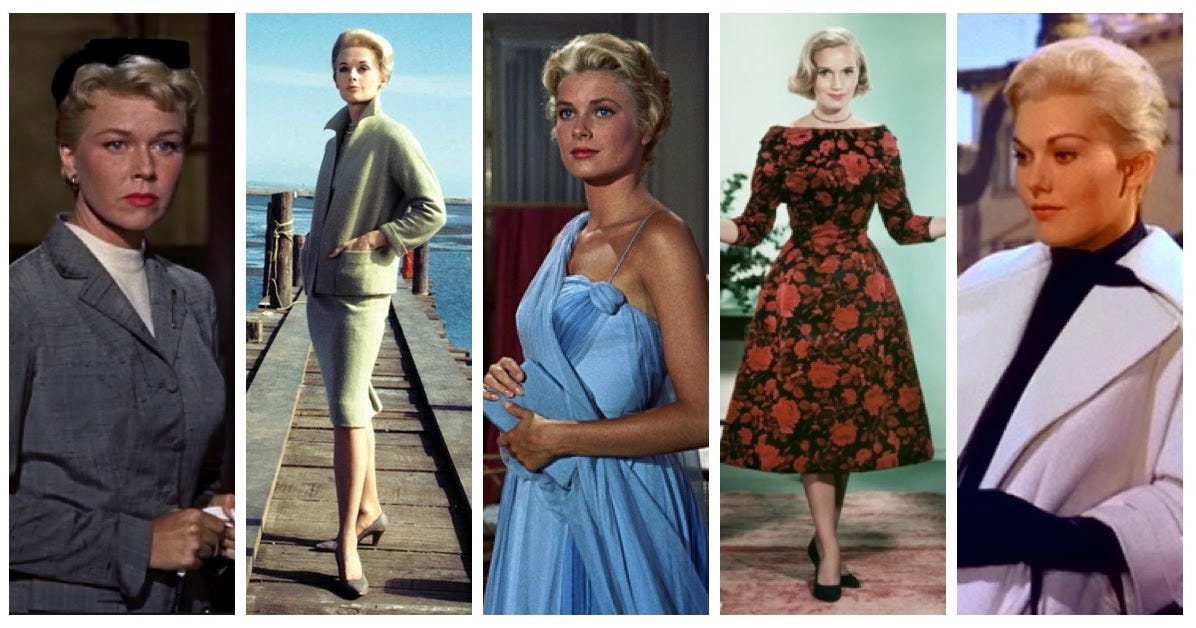
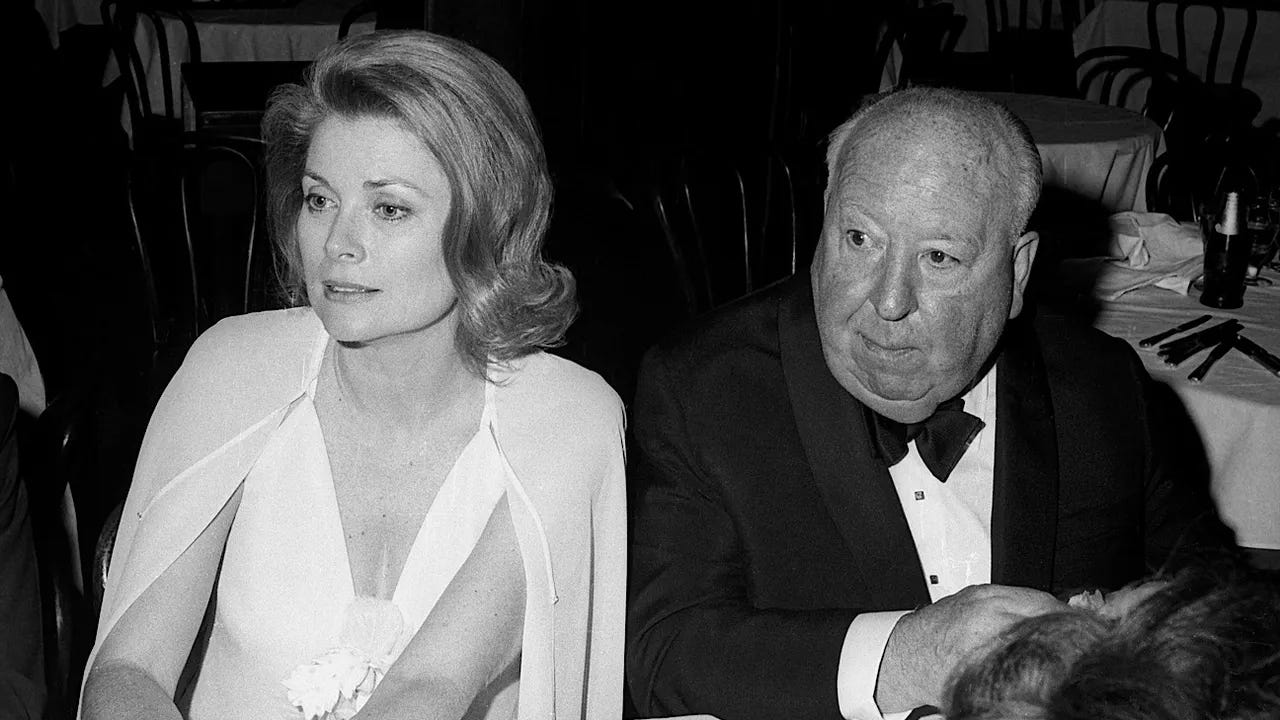
If Hollywood made blondness visible, Alfred Hitchcock made it surgical. Early on, in films like The Lodger, the pattern is already there, the victims are no longer random, they are blonde, as if the color itself carries narrative weight. By the 1950s, once he gains control and begins working in color, the figure fully crystallizes. Grace Kelly in Rear Window and To Catch a Thief moves like something almost too perfect to touch, tailored, composed, luminous, less a person than an arrangement.
Grace Kelly and Alfred Hitchcock
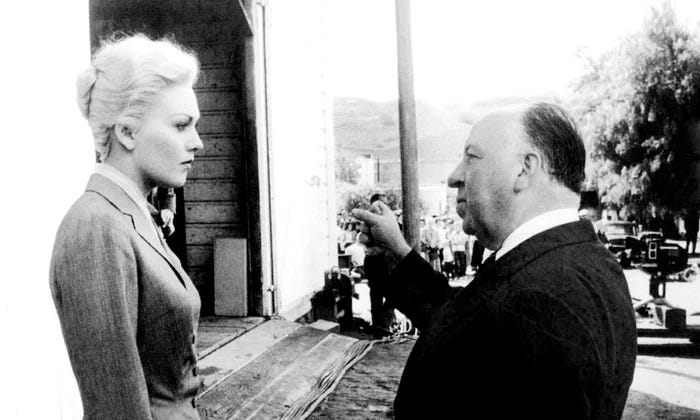
Then Kim Novak in Vertigo, where the blonde is no longer just a type but an obsession. Novak originally refused to dye her hair for the role, Hitchcock insisted, and the transformation becomes the film itself, a woman reconstructed detail by detail until she matches an image that never really existed.
Kim Novak and Alfred Hitchcock
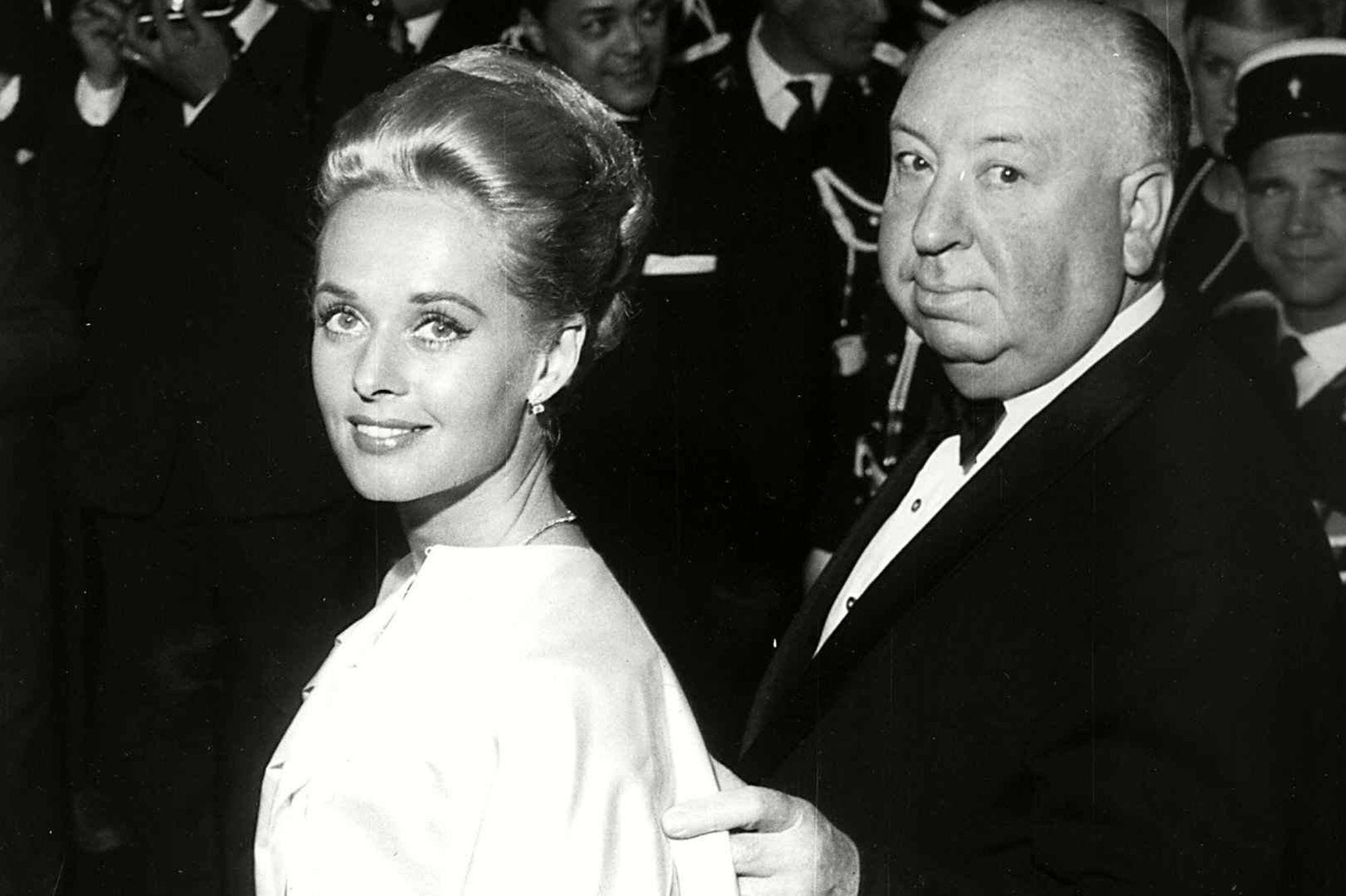
Finally Tippi Hedren in The Birds, almost emptied out, reduced to a surface moving through chaos, her composure intact even as everything around her collapses.
Tippi Hedren and Alfred Hitchcock
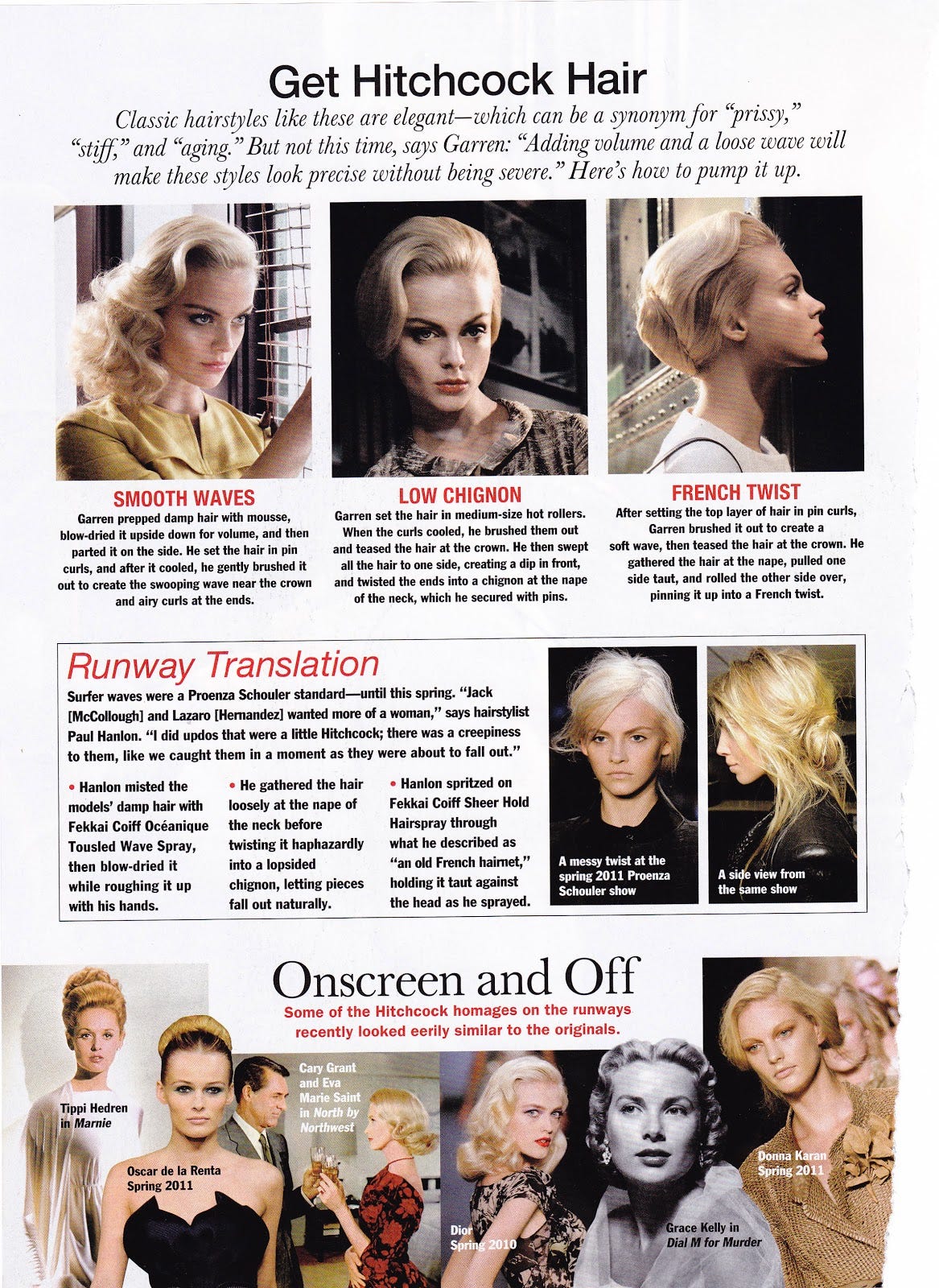
Hitchcock famously described blondes as “virgins in the snow” something pure made suddenly vulnerable. Across these films, the blonde becomes less expressive, more controlled, more exact, until she feels almost artificial. That’s what makes her so difficult to look away from. You keep waiting for something to slip, something to reveal itself, but instead the image holds, and that tension produces something stronger than obvious sexuality, not desire given but desire generated. And that logic hasn’t disappeared.
BLONDNESS maintenance
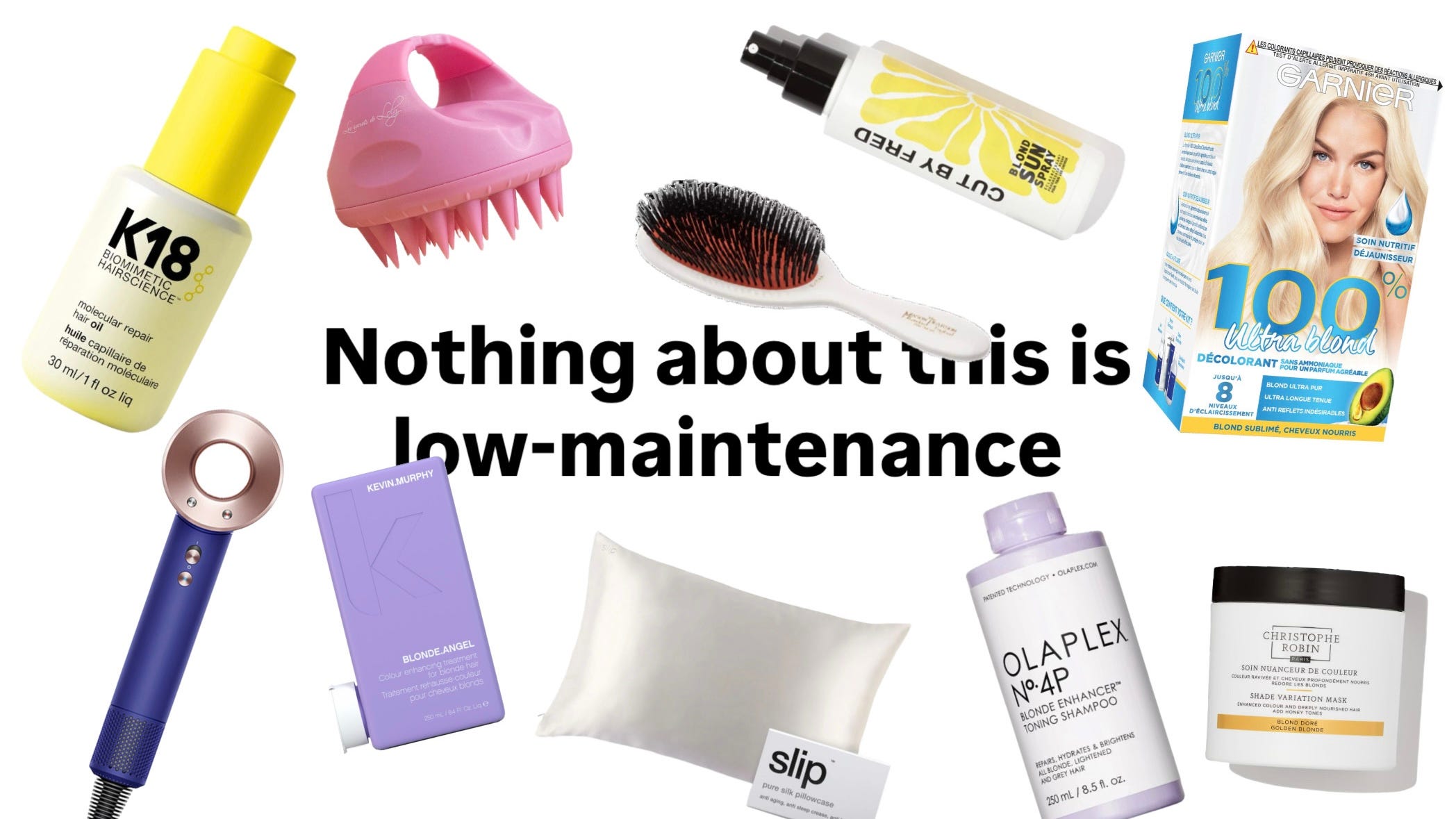
That kind of blondness, the almost unreal, Hitchcock-level blonde, is never accidental. It requires time, money, and a very specific kind of discipline. Appointments every few weeks, roots that can’t be ignored, treatments that keep the hair from breaking, color that has to be maintained before it collapses. The more effortless a blonde looks, the more likely it relies on toners, glosses, and constant correction to prevent yellowing. The ideal blonde is maintenance disguised as neutrality. It’s not just a look, it’s a system. The €380 I was quoted feels less like a cost than an entry point, and maintaining that level of blondness can easily reach thousands per year.
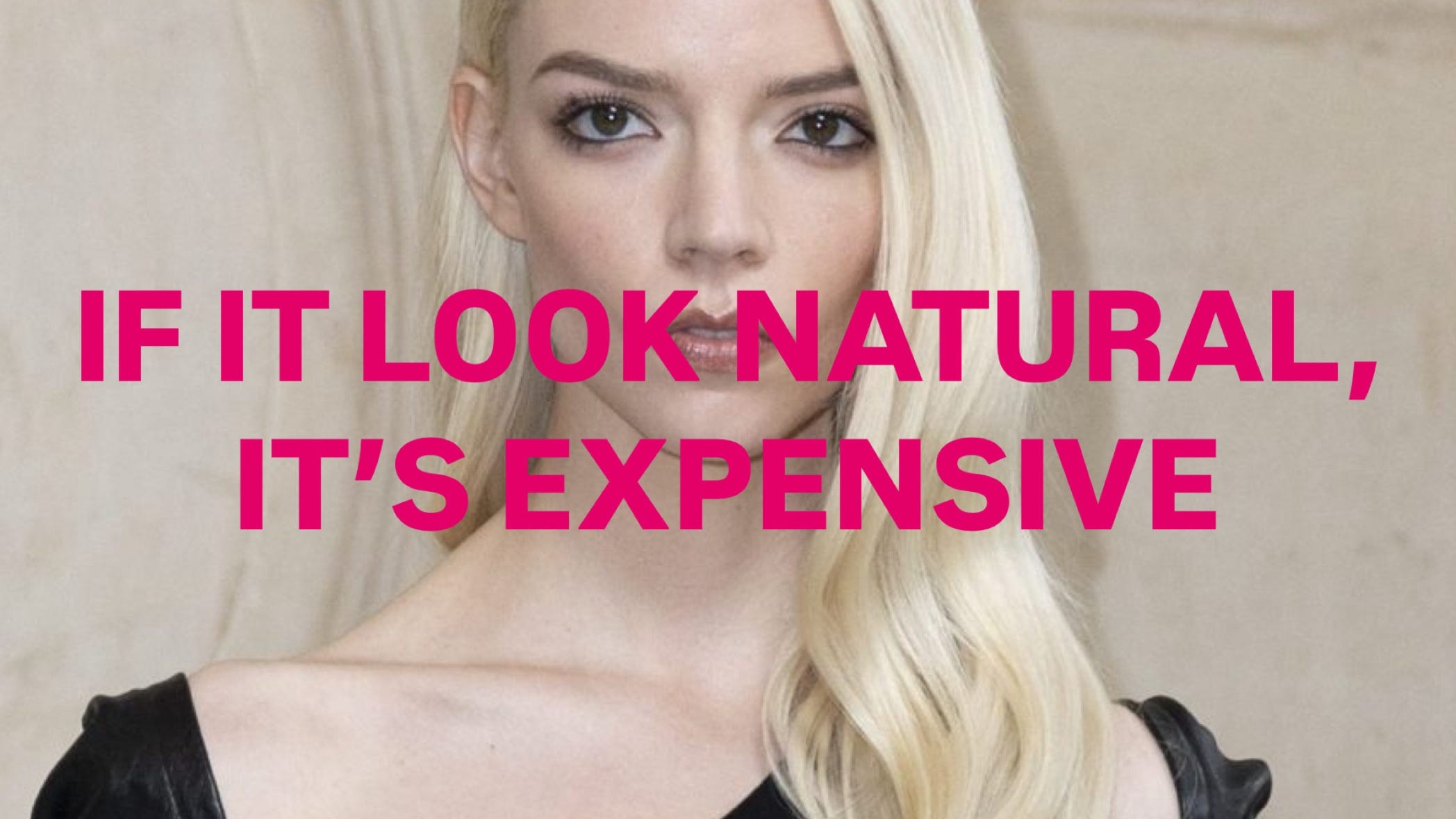
Visible dark roots, once a failure of maintenance, are now sometimes staged, controlled, aestheticized. To sustain that level of blondness is to prove something. Not just taste, but consistency, access, control. Anya Taylor-Joy embodies it perfectly, that almost translucent platinum that reads as effortless until you remember she is naturally a brunette. The closer a blonde gets to white, the further it moves from natural and toward something almost synthetic, almost unreal, which is precisely why it reads as powerful.
The DUMBlonde
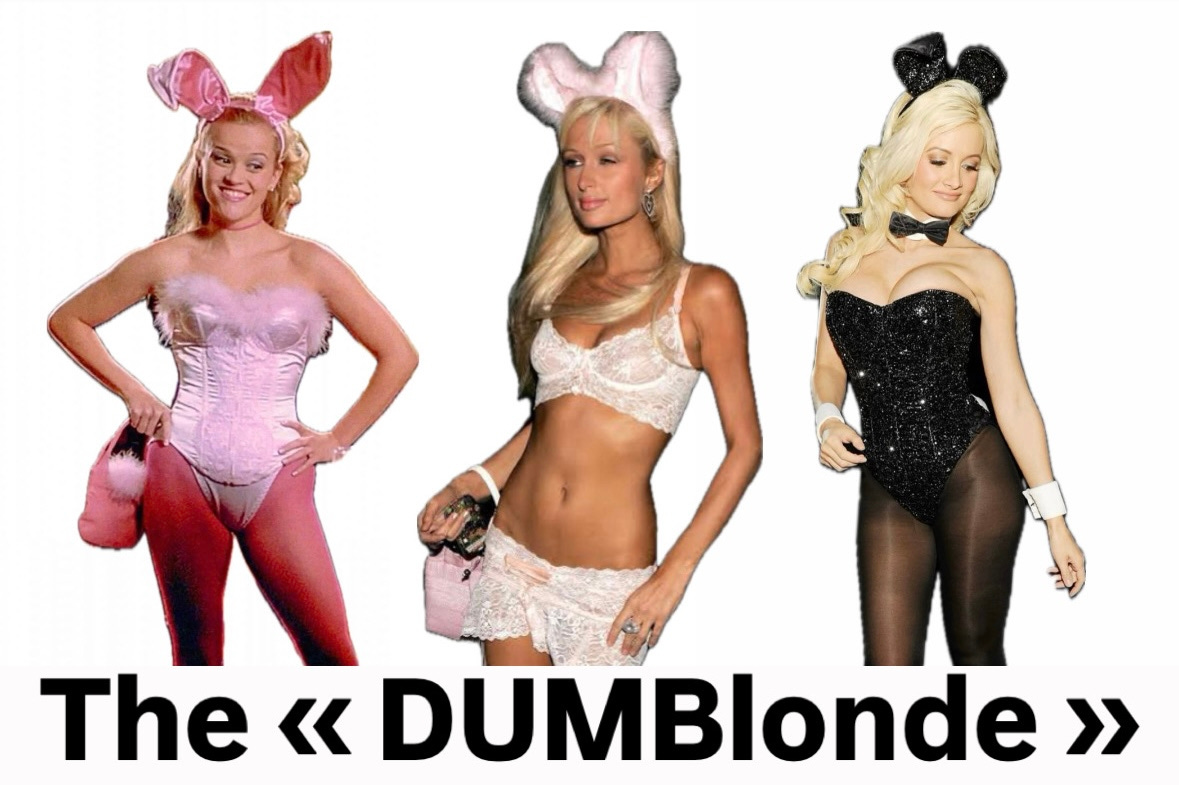
And yet, for something that requires this much precision, blondness has always been framed as its opposite. The “dumb blonde” was never a reality, it was a strategy, a way of simplifying what is too immediately visible. The brighter the image, the faster it gets read, and what gets read quickly gets reduced. Research shows blonde women are perceived as more approachable but less competent, a bias that mirrors the stereotype almost exactly. What’s more interesting is how often that stereotype gets performed and weaponized. Legally Blonde exists entirely in that gap, Elle Woods isn’t underestimated because she lacks intelligence, but because she looks like she should. Paris Hilton understood this instinctively, turning that assumption into an empire, building power through a persona people dismissed too quickly. Even at its most constructed, blondness has never been passive. The stereotype doesn’t describe intelligence, it disguises it. Even Hugh Hefner, who built one of the most codified images of the blonde, admitted the construction behind it: “We created the fantasy.” The image was never accidental.
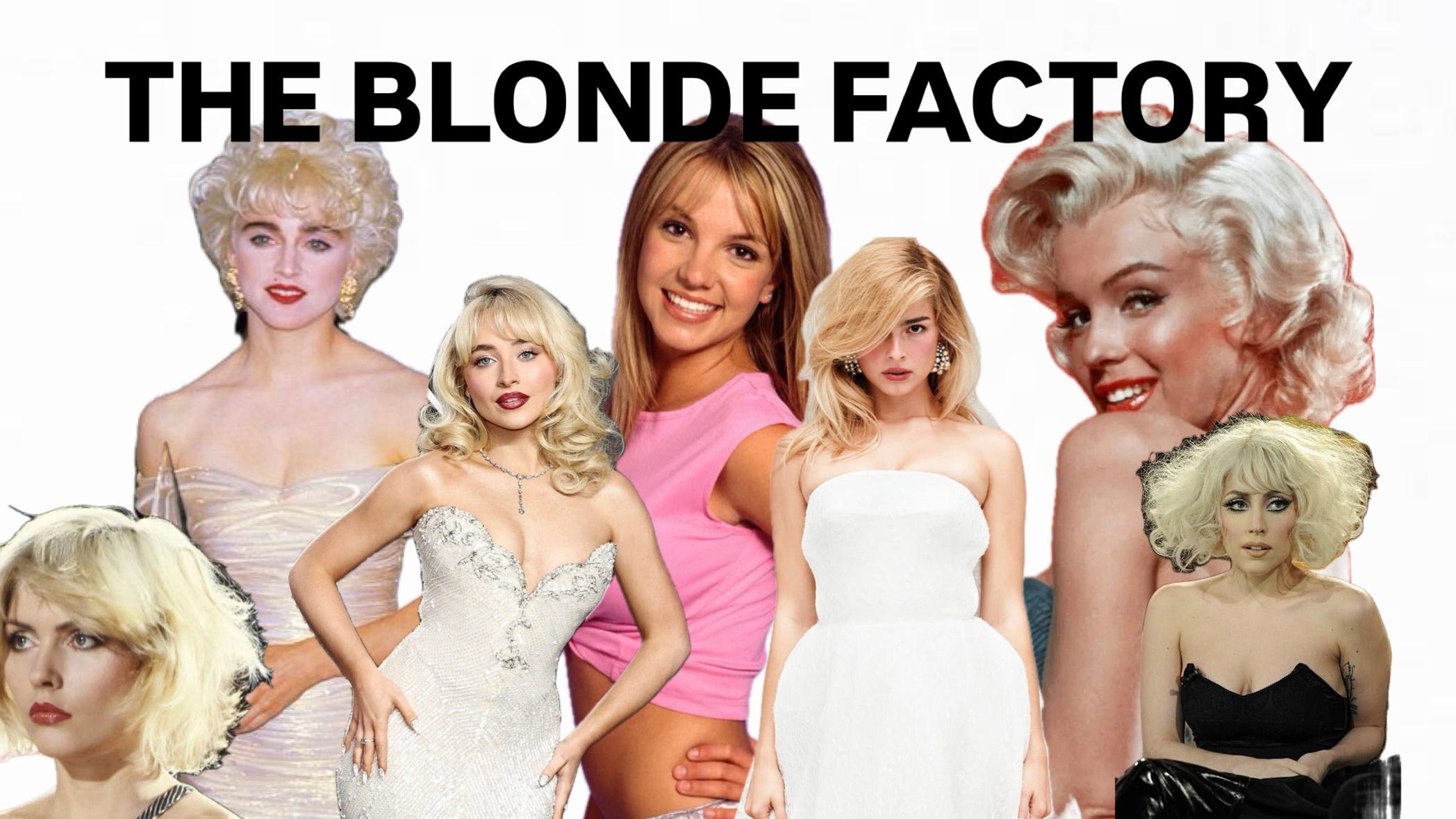
At the same time, blondness keeps being produced because it works. Hollywood made it bankable, and nothing about that has changed. Actresses weren’t just cast, they were recalibrated, Norma Jeane becoming Marilyn Monroe, brunettes turned platinum because the image sold better. That logic still holds. Madonna fixed her global iconography in blonde, Britney Spears reached peak pop visibility as the ultimate blonde archetype, Sabrina Carpenter sharpened her image into hyper-feminine blondness at the moment her music scaled. It’s not coincidence, it’s timing. As Andy Warhol put it, “Beauty is a sign of intelligence.” Blondness operates exactly in that confusion, where surface accelerates perception. It makes a face immediate, exportable, easy to remember. Not better, just more efficient.
And maybe that’s exactly why it bothered me for a while. Not because the stereotype was true, but because I could see how quickly it worked, how easily blondness made me legible in ways I didn’t control. Going darker felt like a correction. I thought if I muted the signal, I might also escape the reading that came with it.
But that only made clear what the real problem was. Not blondness itself, but the impulse to adjust myself in order to manage other people’s perception. I’m no longer interested in doing that. I’m not interested in performing seriousness just to be read as intelligent. I already am.
If anything, what interests me now is the contradiction. There is more power in holding opposing signals than in trying to resolve them. Being misread is frustrating, but reshaping yourself to avoid it is worse. One is projection. The other is compromise.
And I’m no longer interested in making myself easier to understand.
🫶🏼 💅 💃
Best and most interesting read all week! ❤️❤️❤️